Travel Vietnam by train itinerary is one of the most rewarding ways to discover the country's extraordinary landscapes, rich history, diverse cultures, and authentic local life. While many travelers choose domestic flights to move quickly between destinations, the railway offers a completely different experience. It allows visitors to slow down, admire breathtaking scenery, meet local people, and witness Vietnam unfold kilometer after kilometer.
From the misty mountains of the north to the tropical beaches of central Vietnam and the bustling cities of the south, the railway network connects many of the country's most iconic destinations. Whether you are seeking adventure, comfort, cultural immersion, or nostalgia, a well-planned Travel Vietnam by train itinerary provides an unforgettable journey.
In this comprehensive guide, you will discover the fascinating history of Vietnamese railways, the different types of trains available, the most scenic routes, practical travel tips, booking advice, overnight train experiences, and everything you need to plan the perfect rail adventure across Vietnam.
History and experience of train travel in Vietnam
The beginning of Vietnamese railways
The history of rail transport in Vietnam dates back to the French colonial era. Construction of the first railway lines began in the late nineteenth century as part of France's efforts to develop transportation infrastructure throughout Indochina.
The earliest railway sections connected Saigon to My Tho in the Mekong Delta. Over time, the network expanded northward, linking major cities and economic centers across the country.
One of the most ambitious projects was the North-South Railway, which eventually connected Hanoi and Saigon through more than 1,700 kilometers of tracks. This railway remains the backbone of any Travel Vietnam by train itinerary today.
From colonial origins to modern times
The railway system played a crucial role in transporting goods, passengers, and military personnel throughout the colonial period. Stations, bridges, and tunnels built during this era continue to form part of the current network.
Despite political changes and decades of conflict, rail transport remained a vital component of Vietnam's infrastructure.
Today, Vietnamese railways combine historical heritage with modern improvements, offering travelers a unique blend of nostalgia and practicality.
Railways during wartime
Vietnam's rail network suffered significant damage during various conflicts throughout the twentieth century.
Bridges were destroyed, tracks were bombed, and many sections became unusable. However, railway workers demonstrated remarkable resilience, repeatedly repairing and rebuilding the infrastructure under extremely challenging conditions.
Following reunification in 1975, the government prioritized restoring the North-South Railway. The line was fully reconnected and reopened in 1976, symbolizing national unity and reconstruction.
This remarkable history adds a deeper dimension to any Travel Vietnam by train itinerary.
Progressive modernization
Over the last decades, Vietnam Railways has invested heavily in modernization.
Improvements include: renovated stations, upgraded tracks, new sleeping cars, enhanced safety systems, improved onboard services et online ticket booking systems
Although Vietnam does not yet have high-speed trains like Japan or Europe, the railway continues to evolve while preserving its authentic character.
Why choose a travel Vietnam by train itinerary?
Many travelers wonder whether they should fly, travel by bus, or take the train.
A Travel Vietnam by train itinerary offers numerous advantages.
Spectacular scenery
Train journeys reveal landscapes inaccessible from highways or airports.
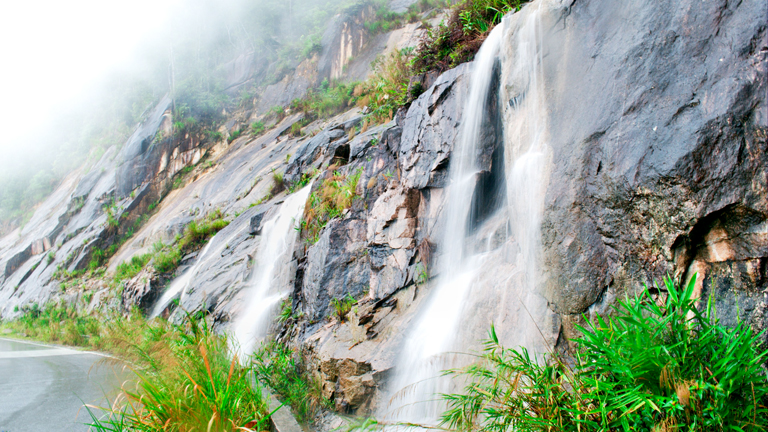
Passengers enjoy rice terraces, coastal cliffs, fishing villages, mountain ranges, river valleys and tropical forests
The scenery often becomes one of the highlights of the trip itself.
Comfort and space
Compared to long-distance buses, trains provide more legroom, freedom to move around, comfortable sleeping cabins, dining facilities and larger luggage allowances
Environmental benefits
Rail transport produces significantly lower carbon emissions than domestic flights.
Travelers seeking a more sustainable way to explore Vietnam often choose trains whenever possible.
Authentic local experience
Unlike airports, trains attract a broad cross-section of Vietnamese society.
A Travel Vietnam by train itinerary allows visitors to observe daily life, interact with local families, and experience the country from a more authentic perspective.
Understanding Vietnamese railway networks
Overview of Vietnamese railways
Vietnam's railway system stretches from Hanoi in the north to Ho Chi Minh City in the south.
Major stations include: Hanoi, Ninh Binh, Vinh, Dong Hoi, Hue, Da Nang, Quy Nhon, Nha Trang, Phan Thiet and Ho Chi Minh City
These cities form the backbone of most Travel Vietnam by train itinerary routes.
Types of trains available in Vietnam
SE trains (Super Express)
SE trains represent the most popular option for tourists.
Common services include:
- SE1
- SE2
- SE3
- SE4
- SE5
- SE6
- SE7
- SE8
Advantages include: faster travel times, better punctuality, modern coaches and comfortable sleeper cabins
Most international visitors choose SE trains during their Travel Vietnam by train itinerary.
Local trains
Local trains stop at numerous smaller stations.
They are slower but provide a fascinating glimpse into everyday life across rural Vietnam.
These trains are ideal for travelers seeking authentic experiences rather than speed.
Tourist heritage trains
Several routes feature specially designed tourist trains.
Popular examples include:
The Vietage
Operating between:
- Da Nang
- Quy Nhon
This luxury train offers:
- Elegant seating
- Fine dining
- Premium service
- Scenic coastal views
Sapa tourist trains
Private tourist carriages operate between Hanoi and Lao Cai.
Popular operators include:
- Chapa Express
- Victoria Express
- Sapaly Express
- Fanxipan Express
These trains provide superior comfort for travelers heading to Sapa.
Luxury trains
Luxury rail experiences are increasingly popular.
Premium services often include:
- Private cabins
- Air conditioning
- Gourmet meals
- Attentive staff
- Comfortable bedding
They transform a simple journey into a memorable travel experience.
The most beautiful train routes in Vietnam
Hanoi to Lao Cai (gateway to Sapa)
This route introduces travelers to the mountainous landscapes of northern Vietnam.
Highlights include: river valleys, rural villages, rice fields and mountain scenery
Most passengers travel overnight before continuing to Sapa.
Hanoi to Ninh Binh
A short but beautiful journey.
Passengers enjoy views of limestone karsts, rice paddies and traditional villages
This route is often the first section of a Travel Vietnam by train itinerary.
Hue to Da Nang
Many consider this the most spectacular rail journey in the country.
The train crosses:
Highlights include: Hai Van Pass, Lang Co Bay, pristine beaches, mountain landscapes and ocean panoramas
The route perfectly showcases why a travel Vietnam by train itinerary remains so popular.
Da Nang to Nha Trang
This section combines coastal scenery, fishing villages, sandy beaches et coconut plantations
Travelers enjoy ever-changing views throughout the journey.
Nha Trang to Ho Chi Minh City
The southern section offers vineyards, sand dunes, agricultural regions and urban landscapes
The transition from countryside to Vietnam's largest city is fascinating to observe.
How to choose your seat on a Vietnamese train
Choosing the right seat greatly influences your Travel Vietnam by train itinerary experience.
Soft seat
Ideal for daytime journeys, budget-conscious travelers and short distances
Hard sleeper
Provides economical overnight accommodation.
Cabins generally contain six berths.
Soft sleeper
The preferred option for most tourists.
Advantages include four berths per cabin, more space, better comfort and quieter atmosphere
Private tourist cabins
Available on selected routes.
Ideal for couples, families and luxury travelers
The experience of overnight trains in Vietnam
Overnight trains are among the most memorable aspects of a Travel Vietnam by train itinerary.
Passengers can watch sunset from the train, enjoy dinner onboard, sleep while traveling and wake up in a completely different region
This saves valuable daytime sightseeing hours while reducing hotel costs.
The rhythmic sound of the train often becomes a cherished travel memory.
Food and drinks onboard
Vietnamese trains offer simple but satisfying food options.
Common choices include rice meals, instant noodles, sandwiches, snacks, soft drinks, coffee and tea
Experienced travelers often bring fruits, snacks and bottled water
for additional comfort.
How to book train tickets
Online booking
The easiest method today is through official railway websites and authorized travel agencies.
Booking in advance is strongly recommended during Tet holidays, summer vacations and national holidays
Train stations
Tickets can also be purchased directly at stations.
Major stations provide ticket counters with English-speaking staff.
Practical tips for a successful journey
Book early
Popular routes often sell out several weeks in advance.
Protect valuables
Vietnamese trains are generally safe, but basic precautions are advisable.
Bring light clothing
Temperatures may vary significantly between northern and southern Vietnam.
Download entertainment
Long journeys become more enjoyable with books, podcasts, music and movies
Charge devices before departure
Although many trains offer power outlets, availability may vary.
Travel Vietnam by train itinerary: A Journey worth taking
A Travel Vietnam by train itinerary is far more than a transportation choice. It is an immersive travel experience that reveals the country's landscapes, history, culture, and daily life at a relaxed pace. From the legendary North-South Railway to the breathtaking Hai Van Pass, every route tells a story and offers unforgettable memories.
Whether you choose a simple sleeper berth, a tourist carriage to Sapa, or a luxury rail experience, traveling by train remains one of the most authentic and rewarding ways to discover Vietnam. For travelers seeking meaningful encounters, spectacular scenery, and the pleasure of slow travel, there is simply no better way to explore the country than following a carefully designed Travel Vietnam by train itinerary from north to south.